Your cart is currently empty!
Reviewed by: Dr. Peter Doherty

Can dogs get skin tags? Yes, dogs can get skin tags, and they are quite common, especially in older pups. These benign, fleshy growths—often resembling small flaps, warts, or raisins—are harmless in most cases and don’t cause your furry friend any pain or health issues. However, they can become problematic if irritated or infected.
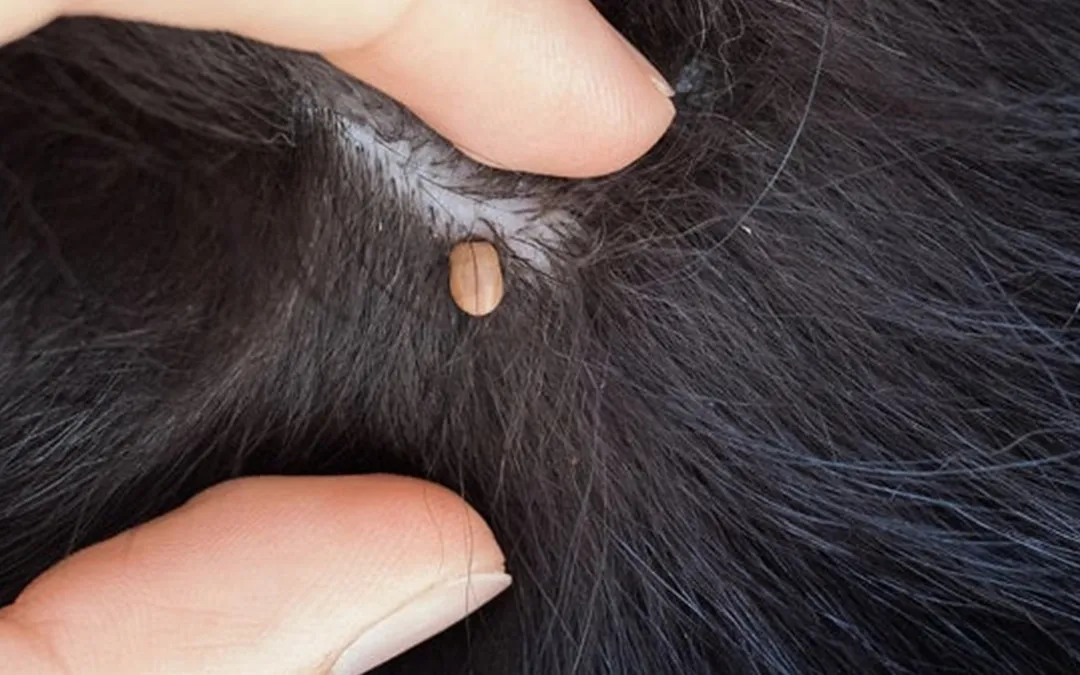
In this comprehensive guide, we’ll dive deep into dog skin tags: what causes them, how to spot them, treatment options, prevention strategies, when to rush to the vet, and answers to your most burning questions. Whether you’re a new dog owner or a seasoned pet parent, this article has everything you need to keep your dog’s skin healthy.
Skin tags on dogs, also known as acrochordons or fibroepithelial polyps, are soft, non-cancerous growths made of skin and connective tissue. They typically hang from a thin stalk (peduncle) and range in size from a few millimeters to over an inch long.
Common locations include:
Unlike warts (which are viral) or tumors (which may be cancerous), skin tags in dogs are simply excess skin folds that develop over time. They feel soft and movable, often matching your dog’s natural skin color or slightly darker.
Wondering why do dogs get skin tags? While the exact trigger isn’t always clear, several factors contribute:
| Breed | Why Prone? |
|---|---|
| Poodles | Curly coat traps friction |
| Spaniels | Loose skin folds |
| Dachshunds | Long body, skin rubbing |
| Beagles | Genetic skin tendencies |
| Cocker Spaniels | Floppy ears/skin |
Good news: Dog skin tags are not contagious, not cancerous, and don’t spread to other pets or humans.
Skin tags in dogs are usually asymptomatic, meaning your dog won’t notice them. Key signs include:
Watch for complications:
Pro Tip: Run your fingers through your dog’s coat weekly during grooming to check for new dog skin tags. Compare to photos for changes.
| Skin Tag | Wart | Lipoma (Fatty Tumor) |
|---|---|---|
| Stalk-attached | Rough, cauliflower | Round, movable |
| Benign, friction | Viral, contagious | Soft, deep |
| No treatment | May resolve | Surgical if large |
Your vet diagnoses skin tags on dogs via:
No blood tests needed for typical cases.
Most skin tags in dogs require no treatment—they’re cosmetic and harmless. Only remove if:
Safe Removal Methods (vet-only):
Cost: $50–$300 per tag, depending on method/location.
Home Remedies? NEVER! Cutting at home risks infection, excessive bleeding, or incomplete removal (regrowth).
If infected: Antibiotics or antiviral meds (rare viral cause).
While not fully preventable, reduce risk:
Don’t panic, but see a vet ASAP if:
Err on caution—better safe than sorry!
No, 99% benign. But get changes checked.
Absolutely not! Risks infection/bleeding. Vet only.
Rarely. They persist unless removed.
Ticks are hard, engorged, and burrow. Tags are soft/floppy.
Usually not, unless irritated.
Very rare—mostly seniors.
No, not contagious.
Final Paw-sitive Note: Skin tags in dogs are a normal part of aging for many pups. With vigilance and vet care, your dog can stay comfy and tag-free. Spot something suspicious? Book that vet visit today. Your best friend thanks you!